

The Overlooked Weak Point in Modern Warehouses | The Display Shield
Posted by Emilyann Allen on 9th Jun 2026
The Overlooked Weak Point in Modern Warehouses
Modern warehouses have changed dramatically over the last decade.
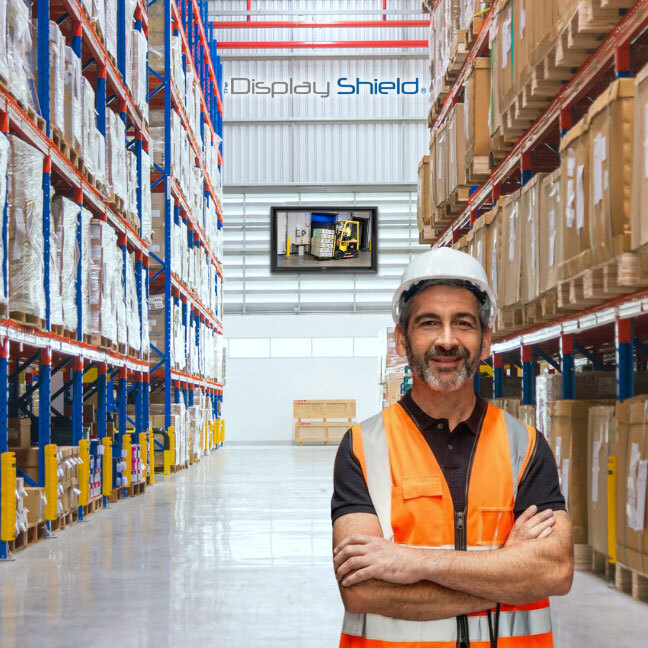
What used to be simple storage spaces are now highly connected operational hubs powered by technology. Warehouses today rely on digital displays for inventory management, shipping coordination, security monitoring, workflow tracking, automation systems, and employee communication.
From manufacturing facilities and fulfillment centers to logistics hubs and distribution warehouses, screens are now everywhere. But while companies continue investing heavily in warehouse technology, many are overlooking one major vulnerability, which is their displays.
It’s easy to focus on software, automation systems, robotics, and operational efficiency while forgetting that the physical screens running those systems are still vulnerable to damage. And in busy warehouse environments, damage happens more often than many businesses realize. One cracked display or damaged monitor can interrupt workflows, delay operations, create safety concerns, and lead to costly downtime.
For many facilities, the weakest point in the operation isn’t the software. It’s the unprotected screen sitting in the middle of a demanding industrial environment.
Table of Contents
- Why Digital Displays Are Everywhere in Warehouses
- The Weak Point Most Facilities Overlook
- How Warehouse Environments Put Screens at Risk
- The Real Cost of Damaged Displays
- Why Downtime Is More Expensive Than Ever
- How Display Protection Helps Prevent Operational Disruptions
- What Warehouse Managers Should Look for in a Protection Solution
- Display Protection for Security and Control Rooms
- FAQs
Why Digital Displays are Everywhere in Warehouses
Warehouse operations have become increasingly data-driven. Employees rely on screens for real-time information throughout the day.
Digital Displays Now Support:
- Inventory tracking
- Shipping and receiving
- Order fulfillment
- Employee communication
- Security monitoring
- Automated systems
- Production schedules
- Operational analytics
In many facilities, displays have become mission-critical tools rather than optional equipment.
Here’s how different departments rely on screens in modern warehouse environments:
|
How Displays Support Operations |
|
|
Inventory Management |
Tracks stock levels and product locations in real time |
|
Shipping & Receiving |
Coordinates deliveries and outbound logistics |
|
Picking & Packing |
Guides employees through fulfillment processes |
|
Security Monitoring |
Displays live surveillance and access control feeds |
|
Manufacturing Operations |
Supports production tracking and workflow management |
|
Employee Communication |
Shares schedules, safety updates, and alerts |
|
Automation Systems |
Interfaces with robotics and warehouse management software |
Without functioning displays, many warehouse operations slow down almost immediately.
The problem is that these screens are often installed in environments that are physically demanding and full of potential hazards.
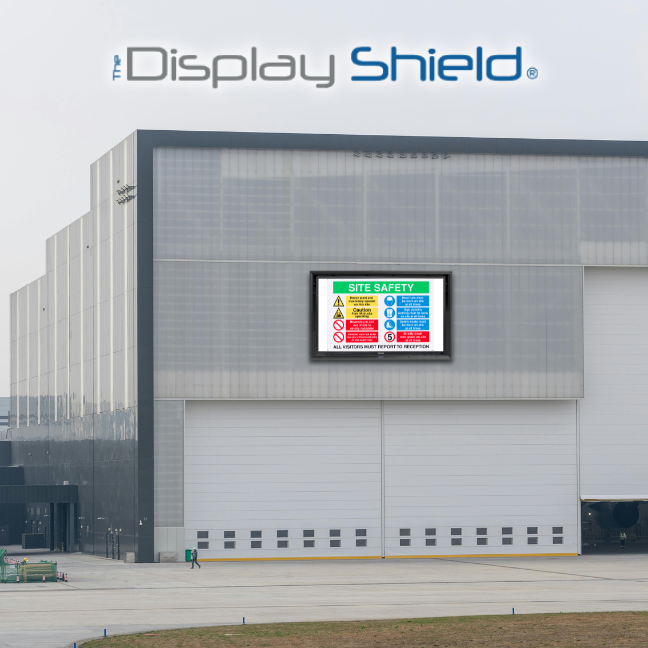
The Weak Point Most Facilities Overlook
Many warehouse managers invest heavily in operational technology but fail to protect the displays themselves. There’s often an assumption that because a monitor or digital display is mounted securely, it’s protected.
Unfortunately, that’s not the case.
Warehouse Environments Display Risks:
- Forklift traffic
- Rolling carts
- Pallet movement
- Dust and debris
- Accidental impacts
- Temperature fluctuations
- Vibrations from heavy machinery
Unlike office environments, warehouses are active industrial spaces where equipment and employees are constantly moving.
Even a relatively small impact can damage a modern flat-screen display.
And when a display fails, the consequences can spread quickly across an operation.
How Warehouse Environments Put Screens at Risk
Warehouses are built for efficiency and movement. That constant activity creates more opportunities for accidental damage.
Different warehouse zones come with different risks.
|
Common Display Risks |
|
|
Loading Docks |
Forklift movement, pallet impacts, equipment collisions |
|
Fulfillment Areas |
Rolling carts, scanning equipment, heavy employee traffic |
|
Manufacturing Floors |
Dust, vibrations, machinery movement |
|
Control Rooms |
Continuous use and operational dependency |
|
Security Stations |
Constant monitoring and multi-screen setups |
|
Employee Break Areas |
Accidental bumps, spills, and heavy daily use |
Dust is another major issue that many facilities underestimate. Industrial environments often expose screens to airborne particles, debris, and grime that can gradually impact visibility and performance over time. In manufacturing environments, vibrations from machinery and equipment can also contribute to long-term wear. These risks may seem minor individually, but over months and years, they can significantly shorten the lifespan of expensive displays.
The Real Cost of Damaged Displays
Most businesses focus on the replacement cost of a damaged screen.
But the actual financial impact is usually much larger.
Damaged Display Added Costs:
- Workflow interruptions
- Delayed shipments
- Reduced productivity
- Downtime for employees
- IT and maintenance labor costs
- Installation expenses
- Communication breakdowns
- Operational inefficiencies
For facilities operating on tight delivery schedules, even short disruptions can create major problems. In some environments, damaged displays can also create safety risks if employees lose access to important operational information or monitoring systems. The more connected a warehouse becomes, the more expensive display downtime becomes.
Why Downtime is More Expensive than Ever
Modern warehouses are built around speed and efficiency.
Common Modern Facility Features:
- Real-time inventory systems
- Automated fulfillment processes
- Robotics integration
- Digital workflow management
- Live operational dashboards
When displays go down, employees may lose access to critical information almost instantly. That can slow fulfillment, delay communication, and disrupt operations across multiple departments. Replacing displays also isn’t always quick or simple. Commercial-grade screens often require specialized mounting, software configuration, network integration, and calibration and testing
Supply chain delays can make replacements even more frustrating. For busy facilities, protecting existing displays has become far more practical than repeatedly replacing damaged equipment.
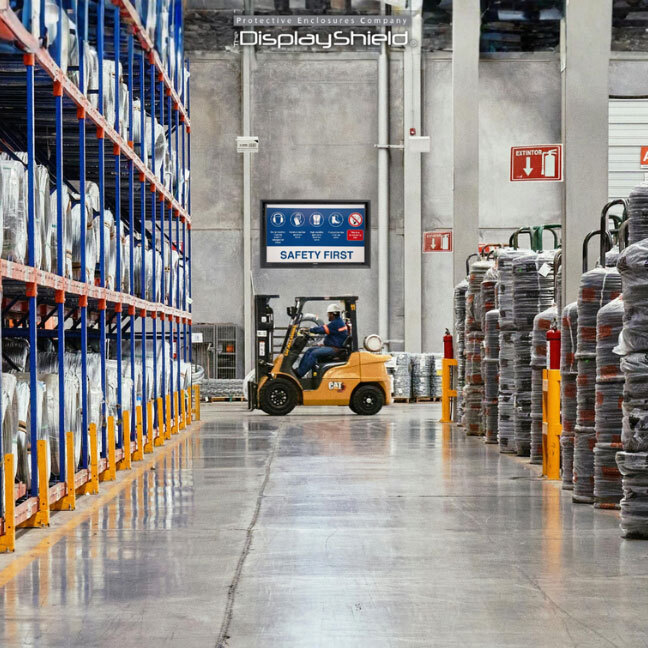
How Display Protection Helps Prevent Operational Disruptions
Protective display covers offer a proactive way to reduce risk in industrial environments. Instead of waiting for accidents to happen, businesses can protect vulnerable screens before damage occurs.
Quality Display Protection Solution Benefits:
- Reduce screen damage from impacts
- Prevent scratches and surface wear
- Extend display lifespan
- Lower replacement costs
- Reduce operational downtime
- Improve long-term reliability
For warehouses operating around the clock, preventing even one damaged display can save significant time and money. Protection becomes even more important in facilities with multiple displays spread across different operational zones. Reliable screens help keep operations moving efficiently and reduce unnecessary disruptions for employees and management teams alike.
What Managers Should Look for in a Screen Protection Solution
Not all display protection products are designed for industrial environments. Warehouse managers should look for solutions built specifically for demanding operational conditions.
Important Features to Consider:
|
Why It Matters in Warehouses |
|
|
Impact Resistance |
Helps reduce damage from accidental collisions |
|
Optical Clarity |
Maintains screen visibility and readability |
|
Scratch Protection |
Prevents wear from daily industrial use |
|
Easy Cleaning |
Helps remove dust, grime, and debris quickly |
|
Durable Construction |
Holds up in harsh warehouse environments |
|
Custom Sizing |
Fits commercial and industrial displays properly |
|
Lightweight Design |
Simplifies installation and maintenance |
|
Long-Term Cost Savings |
Reduces replacement frequency and downtime |
The best protection solutions work quietly in the background while helping facilities avoid costly operational interruptions.
Display Protection for Security and Control Rooms
Security stations and warehouse control rooms often rely heavily on multiple displays operating continuously throughout the day.
Common Security and Control Room Screen Uses:
- Surveillance monitoring
- Access control systems
- Operational dashboards
- Fleet tracking
- Incident management
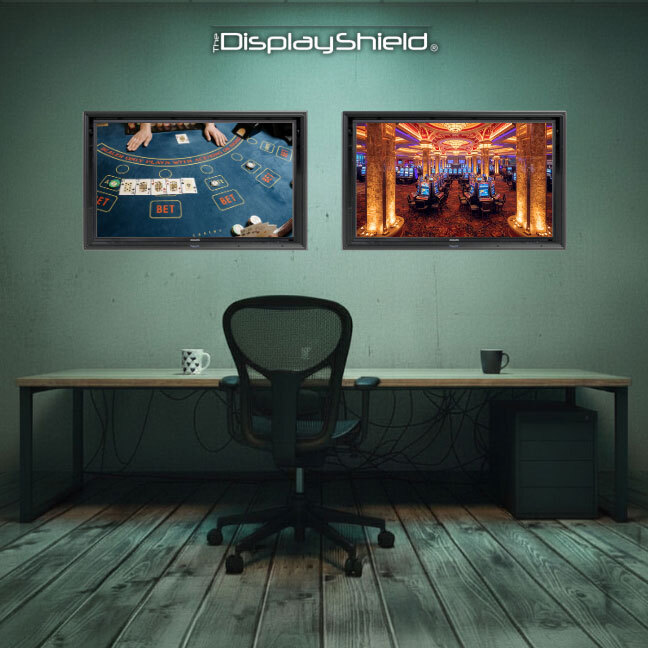
In these environments, display downtime can create both operational and security concerns. Protective display covers help reduce wear and accidental damage while keeping screens visible and functional for long-term use. For facilities that depend on uninterrupted monitoring, protecting displays becomes part of protecting the operation itself.
FAQs
Why are warehouse displays more vulnerable to damage?
Warehouses are high-traffic industrial environments with forklifts, carts, machinery, debris, and constant movement, all of which increase the risk of accidental screen damage.
Can damaged displays impact warehouse productivity?
Yes. Damaged screens can interrupt workflows, delay communication, slow fulfillment processes, and create operational downtime.
Are commercial warehouse displays expensive to replace?
Very. Many commercial-grade displays require specialized installation, configuration, and calibration, making replacement costs significantly higher than standard consumer TVs.
Do display protection covers affect screen visibility?
High-quality display protection solutions are designed to maintain visibility and clarity while protecting the screen underneath.
Which warehouse areas benefit most from display protection?
Loading docks, fulfillment areas, manufacturing and production floors, security stations, and control rooms can all benefit from added screen protection.