
Protect Digital Displays in High Risk Industries | The Display Shield
Posted by Emilyann Allen on 31st Mar 2026
How to Protect Digital Displays in High-Risk Industries
Digital displays have become essential tools in modern workplaces. From operational dashboards to customer information screens, businesses rely on televisions and monitors to communicate quickly and effectively.
But not every workplace environment is friendly to electronics.
Industries such as healthcare, corrections, food processing, and security operations often operate in high-risk environments where displays can be exposed to impact damage, tampering, moisture, or contaminants. In these settings, an unprotected screen can quickly become a liability.
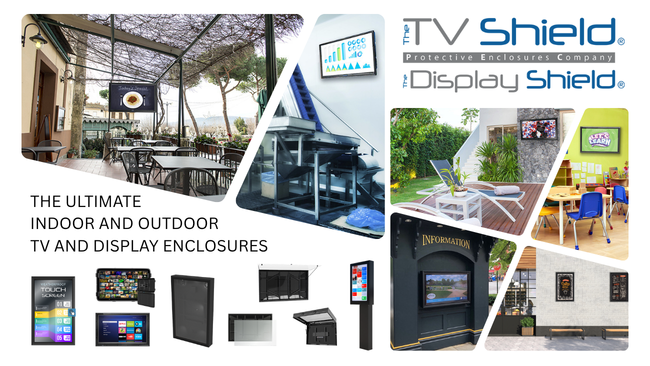
To keep displays functioning reliably, many organizations install protective display enclosures. These protective housings help shield screens from damage while allowing them to remain fully visible and operational.
Across the United States, high-risk industries are increasingly turning to solutions like The Display Shield or The TV Shield PRO to protect the screens they depend on every day.
Table of Contents
- Why Displays Need Protection in High-Risk Environments
- Healthcare and Behavioral Health Facilities
- Correctional Institutions and Detention Centers
- Food Processing and Grocery Environments
- Security Operations and Surveillance Rooms
- Architecture and Real Estate Offices
- Distribution Centers and Logistics Operations
- Schools and Institutional Facilities
- FAQs
Why Displays Need Protection in High-Risk Environments
In high-risk workplaces, screens face threats that typical office environments rarely encounter.
These risks can include accidental impact, intentional tampering, moisture exposure, and contamination from dust or chemicals.
|
Risk Factor |
How It Affects Displays |
|
Accidental impact |
Cracked screens or internal damage |
|
Tampering or vandalism |
Interrupted operations or safety risks |
|
Moisture and humidity |
Electrical failure |
|
Dust or contaminants |
Reduced cooling and performance |
|
Frequent cleaning |
Damage from harsh chemicals |
Protective enclosures act as a barrier between the display and these environmental risks while maintaining full visibility and usability.
Healthcare and Behavioral Health Facilities
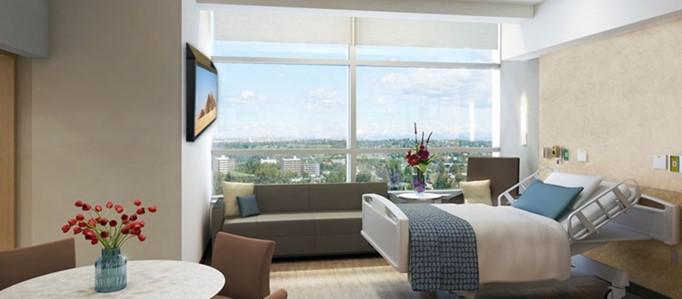
Hospitals, clinics, and behavioral health facilities use TVs and digital displays for a wide range of purposes. Waiting rooms, patient information boards, training rooms, operating rooms, and nursing stations all rely on screens to deliver information quickly.
But healthcare environments require special considerations when it comes to electronics.
Displays must often withstand frequent cleaning with disinfectants while also being protected from accidental impact in busy medical environments.
Behavioral health facilities present additional challenges. Screens installed in common areas may require protection against tampering or damage to maintain safety for both patients and staff.
Protective enclosures help healthcare providers safely integrate digital displays into spaces where durability and safety are critical.
Correctional Institutions and Detention Centers
Correctional facilities are among the most demanding environments for electronics.
Displays may be used in control rooms, visitation areas, training spaces, or inmate education programs. In these settings, durability and security are essential.
|
Correctional Display Location |
Protection Requirement |
|
Control rooms |
Continuous operation and reliability |
|
Visitation areas |
Protection from impact or tampering |
|
Training rooms |
Secure mounting and durability |
|
Educational programs |
Safe access for supervised use |
Protective display enclosures help correctional facilities maintain access to information while reducing the risk of equipment damage or misuse.
Food Processing and Grocery Environments
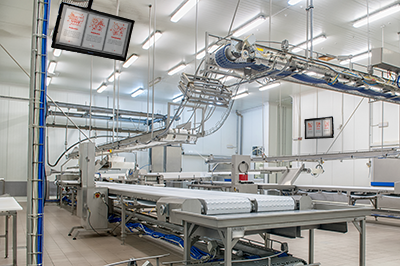
Food production and distribution environments rely on digital displays to communicate operational information such as safety procedures, production metrics, and shift schedules.
But these environments introduce several challenges for electronics.
Processing plants often require equipment that can withstand humidity, temperature changes, and frequent washdowns. In grocery distribution centers, displays may be installed near refrigerated areas or loading docks where conditions fluctuate throughout the day.
Protective enclosures help keep screens safe while maintaining visibility for employees working on the production floor.
Security Operations and Surveillance Centers
Security teams rely heavily on digital displays to monitor camera feeds, coordinate responses, and maintain situational awareness.
These displays are critical to daily operations in environments such as:
- Corporate security control rooms
- Transportation hubs
- Event venues
- Public safety monitoring centers
Because these screens operate continuously and may be installed in busy operational environments, protecting them from accidental damage is essential.
A damaged screen in a surveillance environment could result in blind spots or communication delays, making protective housings a practical safeguard.
Architecture and Real Estate Offices
Architecture firms and real estate companies increasingly use large digital displays to present designs, property listings, and virtual tours. Architecture firms and real estate agents also often integrate TV enclosures into projects or recommend TV protection to clients.
While these environments may seem less demanding than industrial settings, displays are often installed in conference rooms, showrooms, or public spaces where they can be vulnerable to accidental damage.
Real estate offices with high foot traffic, for example, may have displays used for client presentations or marketing materials.
Protective enclosures help ensure these screens remain in excellent condition while continuing to deliver a professional viewing experience.
Distribution Centers and Logistics Operations
Modern logistics operations depend on real-time data to keep goods moving efficiently.
Large warehouses and distribution hubs frequently install displays to show:
- Inventory updates
- Shipment tracking
- Performance metrics
- Safety announcements
But warehouse environments involve forklifts, moving pallets, and constant activity. Displays installed in these spaces face a higher risk of accidental impact.
|
Warehouse Display Use |
Operational Benefit |
|
Shipping dashboards |
Real-time logistics visibility |
|
Safety displays |
Reinforces compliance |
|
Performance metrics |
Tracks productivity |
|
Workflow coordination |
Improves team communication |
Protective display enclosures help safeguard these screens while keeping information visible to employees across large facilities.
Schools and Institutional Facilities
Educational institutions and public facilities are increasingly using digital displays to communicate with students, staff, and visitors, or to advertise.
Displays may appear in hallways, cafeterias, gyms, or administrative offices where they provide announcements, event schedules, or instructional content.
These environments present two key challenges:
- High foot traffic
- Increased risk of accidental damage
Protective enclosures help ensure displays remain operational in busy institutional spaces where screens may otherwise be vulnerable.
Consider solutions like The Display Shield (indoor or outdoor), The TV Shield PRO (indoor or outdoor), or The TV Shield PRO Lite (indoors or mild outdoor environments), which are regularly used to provide an additional layer of protection while maintaining a clean and professional appearance.
FAQs
Why are display enclosures commonly used in behavioral health facilities?
Behavioral health environments require equipment that prioritizes safety. Protective enclosures help reduce the risk of screens being damaged or tampered with and protect patients from self-harm, while allowing facilities to provide information and entertainment for patients.
Can display enclosures handle frequent cleaning with disinfectants?
Yes. Many protective enclosures are designed with materials that can withstand regular cleaning, which is especially important in healthcare and food processing environments. It is important to check with the enclosure manufacturer to verify which enclosures handle which chemicals and disinfectants.
Do protective display enclosures affect screen visibility?
High-quality enclosures use clear, impact-resistant front panels that maintain visibility while protecting the screen from damage.
Why are displays important in warehouse environments?
Displays allow managers to share real-time data such as shipping schedules, safety alerts, and performance metrics with large teams working across the facility.
Are display enclosures only used in industrial environments?
Not at all. Offices, schools, healthcare facilities, and retail spaces also use display protection when screens are installed in high-traffic areas.